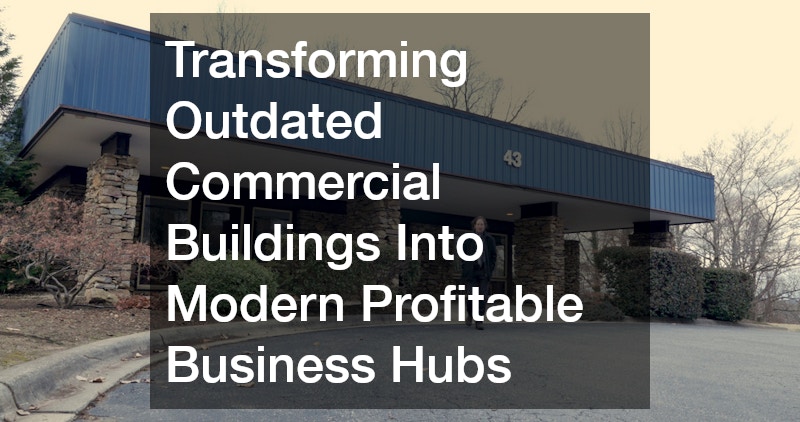
Across cities and suburban landscapes, aging properties hold a massive amount of locked financial potential. While developers often look for empty plots to construct brand-new towers, savvy investors understand that revitalizing existing structures is often a much more lucrative endeavor. Outdated buildings, however, pose a significant challenge. They drain resources through operational inefficiencies, incur notoriously high maintenance costs, and consistently struggle to attract or retain the high-value, modern tenants who demand premium amenities and eco-friendly spaces.
The solution is a strategic, phased transformation. Rather than applying a quick coat of paint and hoping for the best, property owners must address foundational integrity, modernize core utilities, and elevate both the aesthetic and functional appeal of the property. By systematically upgrading essential systems, ensuring strict code compliance, and creating flexible, high-performing spaces, property owners can dramatically maximize their return on investment. This guide explores the comprehensive journey of turning a stagnant, underperforming property into a thriving, highly profitable business hub.
Section 1: Assessing the Property and Building a Master Plan
Before a single wall is demolished or a blueprint is drawn, a successful transformation requires meticulous planning. The planning phase sets the trajectory for the entire project, dictating budgets, timelines, and the ultimate market positioning of the revitalized property.
Conduct a Comprehensive Feasibility and Market Study
You cannot build a profitable hub without understanding what the local market actually demands. A thorough feasibility study prevents over-improving a building for an area that cannot support premium rents, or under-improving it and missing out on high-tier tenants.
-
Analyze Demographics and Trends: Look at the shifts in your specific sector of commercial real estate to determine if the area is leaning toward tech startups requiring open-concept collaborative spaces, medical professionals needing compartmentalized and highly sanitized rooms, or logistics companies searching for last-mile distribution centers.
-
Gap Analysis: Identify what amenities are missing in neighboring properties. If every building nearby lacks secure bicycle storage, EV charging stations, or outdoor communal areas, adding these features gives you an immediate competitive advantage.
-
Financial Projections: Calculate your projected ROI by comparing the current property value and anticipated renovation costs against the potential increase in lease rates. Factor in the cost of debt, potential tax incentives for green upgrades, and the expected stabilization period.
Assemble Your Core Project Management Team Early
A major renovation is a complex orchestration of moving parts, municipal permits, and specialized trades. Attempting to manage this piecemeal is a recipe for budget overruns and missed deadlines.
-
Hire a Central Leader: Outline the critical importance of hiring an experienced, licensed commercial remodeling contractor to oversee the entire transformation. This lead entity will coordinate specialized trades, manage daily site logistics, and ensure the project remains firmly on budget.
-
Establish Clear Communication: Create a protocol for weekly updates, progress photos, and financial reporting. Transparency is vital to keeping stakeholders informed and comfortable.
-
Contingency Planning: Legacy buildings are famous for hiding expensive secrets behind their drywall. Establish a contingency budget of at least 15 to 20 percent to handle unexpected structural surprises, asbestos abatement, or outdated wiring that must be brought up to modern building codes.
Section 2: Securing the Building Envelope from Top to Bottom
Once the planning is complete, the physical work must begin by securing the building envelope. The envelope is the physical separator between the conditioned and unconditioned environment of a building. If the exterior cannot keep the elements out, any interior investments will inevitably be ruined.
Perform Rigorous Roof Inspections and Lifespan Assessments
The roof is your building’s primary defense against the elements. Ignoring its condition is one of the most costly mistakes an investor can make.
-
Identify Hidden Damage: Water intrusion often happens long before it becomes visible on an interior ceiling. Bring in experts to conduct infrared moisture surveys to detect trapped water within the insulation layers, which can degrade the structural decking over time.
-
Evaluate Structural Weaknesses: Assess flashing around HVAC units, parapet walls, and skylights, as these are the most common points of failure.
-
Partner with Specialists: Explain why partnering with a certified commercial roofing contractor early in the process is critical. They can ensure long-term material warranties are validated and provide liability protection during the dangerous process of working at dangerous heights.
Upgrade to Energy-Efficient, Weather-Resistant Systems
A modern roof does more than keep the rain out; it actively contributes to the building’s energy efficiency and climate control strategy.
-
Reflective and Green Solutions: Explore sustainable options like TPO (Thermoplastic Polyolefin) or EPDM rubber. Light-colored, reflective membranes significantly reduce the urban heat island effect and lower the building’s air conditioning costs during peak summer months.
-
Insulation Upgrades: Upgrading the rigid foam insulation beneath the membrane increases the building’s R-value, providing a massive return on investment through reduced heating and cooling bills.
-
Safe Execution: Share best practices for scheduling and staging tear-offs with professional commercial roofers to maintain site safety. If the building is partially occupied during the renovation, phasing the project to minimize noise and debris disruption is essential for maintaining good tenant relations.
Section 3: Modernizing Core Utilities for Efficiency and Compliance
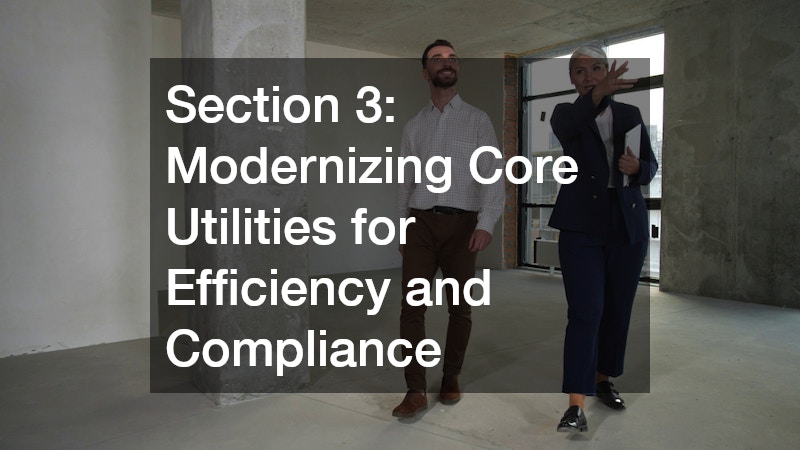
With the exterior secured, the focus shifts to the internal organs of the building. The plumbing, electrical, and HVAC systems must be robust enough to handle the demands of modern technology and increased occupancy rates.
Overhaul Aging Pipe Systems for High-Capacity Use
Legacy buildings often feature degrading galvanized steel or cast-iron pipes. Leaving these in place poses severe financial and health risks, including heavy metal leaching, frequent blockages, and sudden bursts that can flood multiple floors.
-
Capacity Planning: Modern businesses use water differently. Restrooms see higher traffic, breakrooms require commercial-grade dishwashers, and specialized tenants (like salons or medical labs) have heavy drainage needs.
-
Total Retrofitting: Discuss the process of engaging a full-service commercial plumbing company to design and retrofit water systems. They will map out a completely new schematic capable of handling increased occupancy and high-efficiency fixtures.
-
Material Upgrades: Transitioning to modern materials like PEX or high-grade copper ensures a longer lifespan, better water pressure, and resistance to scale buildup, ultimately protecting the health and safety of the building’s occupants.
Implement Proactive Leak Detection and Maintenance Protocols
Modernizing utilities isn’t just about replacing the old; it is about introducing smart technology to manage the new systems proactively.
-
Smart Technology: Highlight the ROI of installing smart water meters, touchless fixtures, and automated shut-off valves. If a pipe bursts at 2:00 AM on a Sunday, an automated valve triggered by a moisture sensor can stop the water flow instantly, preventing millions of dollars in damage.
-
Touchless Fixtures: Post-2020, tenants expect touchless faucets, soap dispensers, and flush valves in communal restrooms to minimize the spread of bacteria and viruses.
-
Ongoing Support: Advise property managers on establishing an ongoing service contract with a reliable commercial plumbing repair service to ensure minor daily leaks or localized blockages are resolved immediately before they escalate into catastrophic property damage.
Section 4: Upgrading Exteriors and Optimizing Accessibility
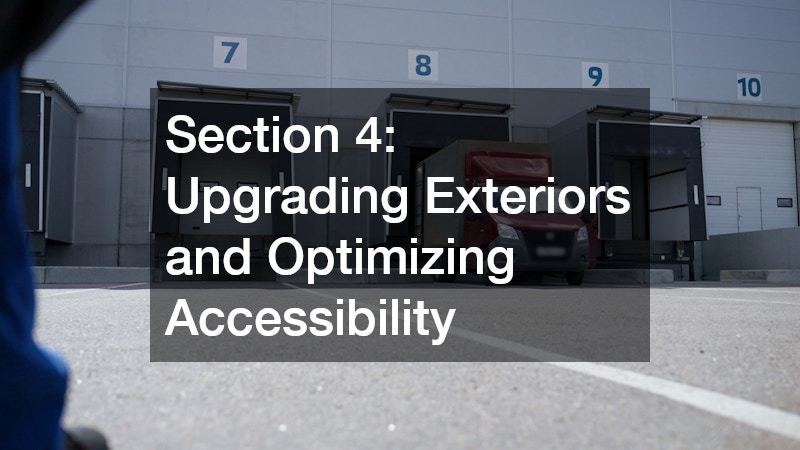
Curb appeal dictates a potential tenant’s first impression. However, exterior upgrades must marry aesthetics with strict safety and accessibility standards to ensure the building is welcoming to absolutely everyone.
Modernize Facades to Enhance Curb Appeal and Structural Integrity
An outdated, brutalist facade can make a building feel uninviting and obsolete. Modernizing the exterior signals to the market that the property is under new, forward-thinking management.
-
Material Refreshes: Use modern materials like high-performance low-E glass, masonry, or insulated metal composite panels to refresh the building’s aesthetic profile. This not only looks better but vastly improves the building’s thermal envelope.
-
Structural Additions: Many owners choose to add exterior amenities, such as steel-framed balconies or expanded entry canopies. Discuss the logistics, engineering, and safety requirements of coordinating a commercial high rise iron install to ensure these heavy architectural elements are safely anchored to the existing superstructure.
-
Lighting Design: Implement strategic exterior LED up-lighting to highlight architectural features, improve nighttime security, and make the building a recognizable landmark in the neighborhood.
Ensure Universal Accessibility and Strict Code Compliance
Accessibility is not merely a legal requirement; it is a moral imperative and a crucial aspect of universal design. A modern business hub must be easily navigable for individuals of all mobility levels.
-
Thorough Auditing: Guide owners on auditing current entryways, hallways, elevator cabs, and restrooms to ensure they meet or exceed ADA (Americans with Disabilities Act) guidelines. This includes checking door widths, handle types, and hallway turn radiuses.
-
Seamless Integration: Explain how to design seamless, aesthetically pleasing entry points that integrate proper commercial wheelchair ramp installation without making it look like a cumbersome afterthought. The best designs blend ramps into the natural landscaping or architectural flow of the main entrance.
-
Wayfinding Signage: Update all internal and external signage to include high-contrast lettering and Braille, ensuring that visitors can easily and safely navigate the newly renovated spaces.
Section 5: Revamping Industrial Spaces and High-Traffic Zones
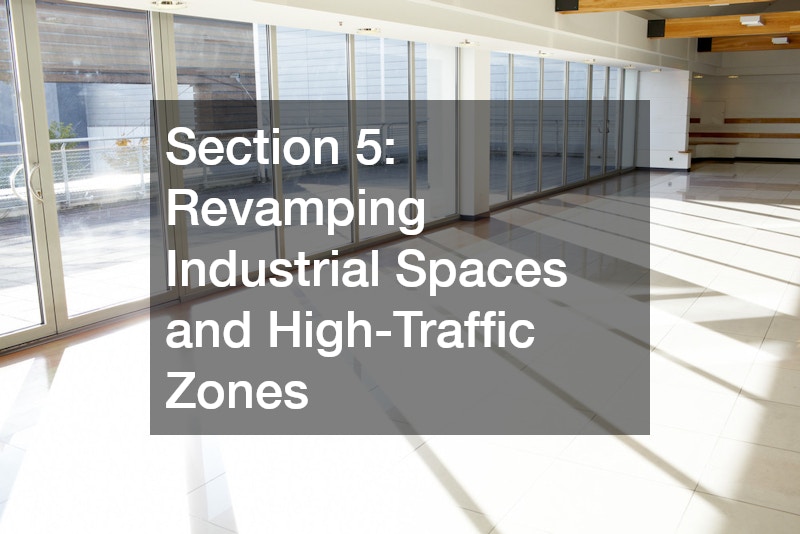
If your property includes mixed-use, warehouse, or light industrial components, these areas require specific upgrades to handle heavy machinery, logistics flow, and high foot traffic without degrading over time.
Optimize Loading Docks and Warehouse Bays for Logistics Flow
The explosion of e-commerce has made efficient shipping and receiving areas a highly sought-after commodity.
-
Access Point Upgrades: Outdated, manual, or poorly insulated bay doors slow down operations and hemorrhage climate-controlled air. Explain how to upgrade security, climate control, and energy efficiency with heavy-duty, high-speed garage door installations. These modern systems open and close in fractions of a second, preserving interior temperatures and improving workflow.
-
Smart Dock Technology: Discuss implementing smart-dock technology, including hydraulic dock levelers, automated vehicle restraints, and integrated signal lights to appeal to modern logistics tenants prioritizing worker safety and turnaround speed.
-
Security Integration: Ensure all access points are wired for modern access control systems, utilizing RFID scanners or biometric locks to secure valuable inventory.
Future-Proof Flooring in High-Stress Environments
Concrete floors in lobbies, warehouses, and parking structures take a massive beating. Left untreated, they crack, dust, and become hazardous.
-
Surface Preparation: The importance of properly resurfacing cracked, hazardous concrete cannot be overstated. Uneven floors cause forklift accidents, trip hazards, and a generally unkempt appearance.
-
Durable Finishes: Detail the immense benefits of applying industrial-grade epoxy coatings to create a durable, chemical-resistant, and visually striking floor surface. This treatment seals the concrete, prevents oil or chemical stains from penetrating, and creates a highly reflective surface that brightens the entire space while easily withstanding decades of heavy foot and machinery traffic.
-
Aesthetic Variations: Note that these finishes are not just for warehouses. Decorative metallic or flake variations can be used in modern lobbies or creative office spaces to provide an industrial-chic aesthetic that is incredibly easy to clean and maintain.
Conclusion
Revitalizing an aging property is a monumental task that requires vision, capital, and a commitment to quality. However, the journey from an obsolete structure to a high-demand business hub is one of the most rewarding endeavors in property development. By taking a systematic approach—beginning with a rigorous market assessment, fortifying the exterior envelope, upgrading vital internal utilities, and modernizing the aesthetics and industrial capabilities—investors can completely reposition an asset in the marketplace.
Upgrading an outdated property should never be viewed merely as an operational expense. Instead, it is a strategic asset management strategy that guarantees relevance in a highly competitive landscape. A well-executed renovation reduces long-term maintenance costs, dramatically improves energy efficiency, and creates an environment where modern businesses can thrive. If you are holding onto an underperforming asset, the time to act is now. Schedule a comprehensive building audit today, assemble your team of experts, and take the definitive first step toward blueprinting a transformation that will yield dividends for decades to come.