Strong communities rarely grow by accident. They develop through steady investment in infrastructure, local businesses, public spaces, schools, housing, and the services that support everyday life. When residents, business owners, nonprofit organizations, and local leaders work toward shared goals, they can create neighborhoods that are safer, more attractive, more economically stable, and better prepared for future growth.
Community development is not limited to major construction projects or government initiatives. It also includes smaller improvements that make daily life more convenient, preserve local identity, support schools, protect natural resources, and strengthen the local economy. From working with local home builders to maintaining roads, preserving trees, supporting school programs, and improving public spaces, many different services contribute to long-term community health.
Strengthening Local Economies Through Small Businesses

Local businesses play an important role in keeping money circulating within a community. When residents purchase goods and services from nearby companies, more of that spending can remain in the local economy through wages, vendor relationships, taxes, and future business investment.
A florist, for example, may seem unrelated to traditional community development, but local floral businesses often support weddings, funerals, civic events, school functions, fundraisers, and celebrations. These businesses can also purchase supplies locally, employ residents, and contribute to community events.
The same principle applies across many industries. Contractors, retailers, professional service providers, builders, landscapers, and specialty businesses all contribute to the economic network that keeps communities functioning. Supporting those businesses can help create jobs while making important services easier to access.
Local economic development becomes especially effective when communities encourage entrepreneurship while also investing in infrastructure. Businesses are more likely to remain and expand in areas where transportation, utilities, housing, and public spaces are maintained.
Preserving Community History and Identity
Community development should not focus only on future construction. Preserving local history can be equally important.
Historic landmarks, cemeteries, memorials, and monuments help communities maintain a connection with previous generations. Families and civic organizations may rely on local monument engraving when restoring memorials, creating new markers, or preserving names and dates that have historical significance.
Maintaining these physical reminders of local history contributes to a sense of place. Communities with recognizable traditions, historic neighborhoods, and preserved landmarks can develop stronger local identities.
Preservation can also complement redevelopment. Instead of removing every older feature, planners and property owners can determine which buildings, public spaces, monuments, and landscape elements should remain. Thoughtful development combines modernization with respect for existing character.
This balance is particularly important in communities experiencing rapid population growth. New housing, businesses, and infrastructure may be necessary, but preserving meaningful features can prevent development from making neighborhoods feel disconnected from their history.
Improving Aging Public and Private Spaces
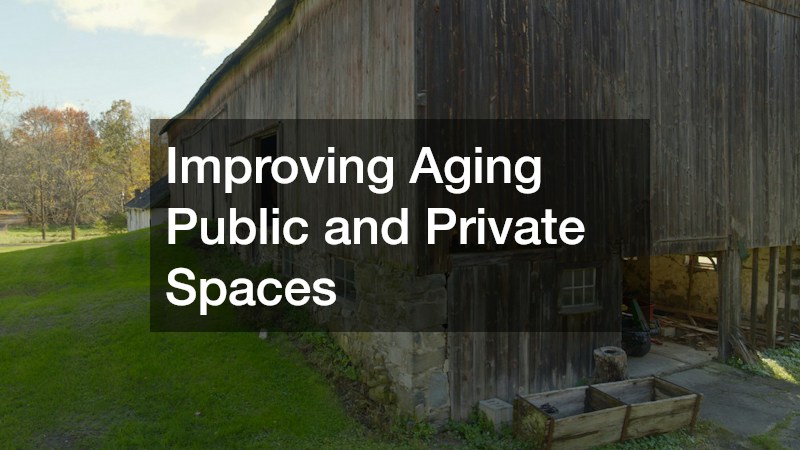
Many communities have concrete surfaces that gradually deteriorate through weather exposure, traffic, moisture, and ordinary wear. Sidewalks, patios, plazas, entryways, and other paved areas may eventually become cracked, uneven, or visually worn.
Working with a concrete resurfacing contractor can help property owners restore certain surfaces without necessarily replacing the entire structure. Resurfacing may improve appearance, address surface-level deterioration, and extend the usable life of existing concrete when the underlying structure remains suitable.
Maintaining these surfaces contributes to more than appearance. Walkable and well-maintained spaces can help residents move safely between homes, businesses, parks, schools, and community facilities.
Public spaces influence how residents perceive their neighborhoods. When sidewalks, plazas, recreational areas, and commercial properties are neglected, the surrounding area can feel less welcoming. Regular maintenance can help communities protect previous investments while improving overall usability.
Small repairs completed consistently can also reduce the need for more extensive rehabilitation later.
Supporting Schools and Youth Programs
Schools are central institutions in many communities. Beyond education, they often host sports programs, performances, clubs, social events, food drives, and other activities that bring families together.
Community members can support these programs in several ways. Volunteer efforts, sponsorships, donations, and snack fundraisers for schools can provide additional resources for extracurricular programs, classroom activities, travel, equipment, and special events.
Fundraising can also strengthen relationships between schools and local businesses. Companies may sponsor events, donate products, contribute prizes, or help promote fundraising campaigns.
These partnerships can create lasting connections between students and the broader community. Young people benefit when they see businesses, organizations, and residents actively supporting their schools.
Investing in education also supports long-term economic development. Strong schools can make communities more attractive to families and employers while helping prepare future workers, entrepreneurs, and community leaders.
Protecting Trees and Green Spaces
Natural resources are another important component of community development. Mature trees, parks, landscaped streets, and green spaces contribute to neighborhood appearance while providing shade, habitat, and opportunities for recreation.
Regular tree services can help property owners and municipalities manage pruning, storm damage, hazardous branches, disease, and tree removal when necessary. Proper maintenance can reduce risks while helping healthy trees remain valuable community assets.
Preserving trees should often be considered during development rather than after construction begins. Roads, buildings, utilities, and parking areas can sometimes be designed around important trees or existing green spaces.
Communities may also benefit from long-term planting strategies. Replacing lost trees with diverse species can help maintain canopy coverage and reduce the risk of widespread losses caused by pests or disease.
Professional tree services may also be useful following severe storms. Fallen branches and damaged trees can block roads, damage property, or create safety hazards. Having reliable local providers available can help communities recover more quickly after weather-related events.
Maintaining Roads and Parking Areas
Transportation infrastructure affects nearly every aspect of community life. Residents depend on streets and parking areas to reach schools, workplaces, stores, medical offices, recreational facilities, and public services.
Preventive maintenance can help extend the life of asphalt surfaces. Sealcoating is one method commonly used to protect pavement from exposure to water, sunlight, and other environmental conditions.
Maintaining parking areas and private roads can improve appearance while helping property owners address deterioration before major repairs become necessary. Clear pavement markings, repaired cracks, proper drainage, and routine inspections can further support safe use.
Commercial districts can especially benefit from well-maintained pavement. Customers may form immediate impressions about an area based on the condition of parking lots, sidewalks, signage, landscaping, and building exteriors.
Public agencies face similar considerations when planning street maintenance. Delaying repairs can allow minor pavement problems to become more extensive. Long-term planning helps communities prioritize repairs based on condition, traffic, safety, and available funding.
Supporting Rural and Agricultural Development
Community development is not limited to cities and suburban neighborhoods. Rural areas also require investment in housing, businesses, transportation, utilities, agriculture, and specialized structures.
A local horse barn builder can contribute to rural development by creating agricultural and equestrian facilities designed around local conditions. Barns may support livestock operations, riding facilities, boarding businesses, farms, and private properties.
These projects can have wider economic effects. Equestrian and agricultural operations may purchase feed, fencing, equipment, veterinary services, fuel, and other goods from nearby businesses.
Rural communities often face different development priorities than urban areas. Preserving open land, supporting agriculture, maintaining roads, expanding utilities, and providing suitable housing may all require careful planning.
Successful rural development typically protects the characteristics that make these areas desirable while still allowing appropriate economic growth.
Planning Infrastructure Before Problems Develop
Infrastructure planning is one of the most important elements of long-term community investment. Roads, drainage systems, utilities, bridges, public facilities, and development sites must be designed to support both current needs and future growth.
A civil engineering service may assist with planning, site design, grading, drainage, transportation improvements, utility coordination, and other technical aspects of development.
Early engineering input can help communities identify potential problems before construction begins. Drainage issues, traffic conflicts, unstable soils, utility limitations, and environmental constraints can become significantly more difficult to address after development is completed.
Good infrastructure planning also considers future demand. A road designed only for current traffic levels may become congested as new neighborhoods or commercial areas are built. Similarly, drainage or utility systems may need additional capacity to support future development.
Communities that plan ahead can often reduce expensive retrofits while making future growth easier to manage.
Expanding Housing Responsibly
Housing availability is another major factor in community stability. Growing communities need enough housing to accommodate residents at different life stages and income levels.
Local home builders contribute to this process by constructing new homes, developing neighborhoods, and responding to changing housing preferences.
Residential development can also create demand for other services. New neighborhoods require roads, utilities, landscaping, schools, retail businesses, healthcare services, and recreational amenities.
However, housing growth should be coordinated with infrastructure capacity. Building large numbers of homes without improving roads, utilities, drainage, and public services can create long-term problems.
Local planning departments, engineers, builders, and residents can work together to determine where housing development makes the most sense.
Communities may also benefit from encouraging a variety of housing styles. Single-family homes, townhomes, apartments, senior housing, and mixed-use developments can serve different population groups and help residents remain in the same community as their needs change.
Creating Attractive Public Spaces
Public spaces help transform groups of buildings into recognizable communities. Parks, plazas, trails, streetscapes, and gathering areas give residents places to interact outside their homes.
Well-designed spaces can support farmers’ markets, festivals, outdoor concerts, school events, holiday celebrations, and neighborhood gatherings.
Beautification projects can also support local businesses. Landscaping, flowers, benches, public art, lighting, and pedestrian improvements may encourage residents to spend more time in commercial districts.
Even modest investments can make a noticeable difference. Improving a small park, replacing damaged sidewalks, planting street trees, or updating signage can improve the overall experience of an area.
Community involvement can help ensure these improvements reflect local preferences. Residents often have useful insight into which areas need attention and how public spaces are actually used.
Building Partnerships Across the Community
Large community goals rarely belong to one organization. Successful projects often involve municipalities, businesses, schools, nonprofits, contractors, residents, and professional service providers.
A neighborhood improvement effort, for example, may involve local builders, tree services, paving companies, engineers, schools, and volunteer groups. Each participant contributes different expertise or resources.
Partnerships can also reduce duplication. Instead of several organizations independently attempting similar projects, coordinated planning can help resources reach areas where they are most needed.
Clear communication is important when multiple groups are involved. Projects should establish responsibilities, budgets, timelines, and measurable objectives before work begins.
Residents should also have opportunities to provide feedback. Community development tends to produce better results when the people who live and work in an area understand upcoming changes and can contribute ideas.
Encouraging Long-Term Maintenance
Building something is often easier than maintaining it for decades. Communities should consider long-term maintenance costs whenever new infrastructure or public amenities are proposed.
Roads need repairs. Trees require pruning. Parks need mowing and equipment replacement. Buildings require upgrades. Drainage systems need cleaning. Sidewalks eventually deteriorate.
Planning for these responsibilities helps protect initial investments.
Preventive maintenance is often more manageable than emergency repairs. Regular pavement care, inspections, landscaping, building maintenance, and infrastructure assessments can help identify issues before they become major problems.
Communities can also establish schedules for evaluating public assets. Knowing the age and condition of roads, buildings, utilities, parks, and equipment helps leaders prioritize funding.
Private property owners can follow similar strategies by maintaining roofs, pavement, landscaping, concrete, and building systems before major deterioration occurs.
Preparing for Future Growth
Population growth can bring opportunities, including new businesses, jobs, housing, and tax revenue. It can also increase pressure on roads, schools, utilities, emergency services, and public spaces.
Communities that expect growth should plan before development accelerates.
Land-use planning can help determine where residential, commercial, industrial, and recreational development should occur. Transportation planning can identify where road improvements or alternative routes may eventually be needed.
Infrastructure investments should also consider changing technology and environmental conditions. Stormwater systems may need greater capacity, utility networks may require upgrades, and neighborhoods may need improved pedestrian and bicycle connections.
Planning does not mean predicting every future development. Instead, it means creating flexible systems that can adapt as circumstances change.
Keeping Investment Focused on Quality of Life
Economic growth is important, but the ultimate purpose of community development is improving quality of life.
Residents want safe neighborhoods, reliable infrastructure, good schools, attractive surroundings, employment opportunities, housing choices, and convenient access to services.
Investments should therefore be evaluated based on how they contribute to those broader goals.
A new road may improve transportation. A preserved tree canopy may improve neighborhood character. A school fundraiser may support student programs. Housing development may provide additional options for families. Small businesses may create jobs and strengthen commercial districts.
Individually, these efforts may appear unrelated. Together, they create the systems that allow communities to function and grow.
Investing With the Next Generation in Mind
The strongest community investments often provide benefits that extend well beyond the current year.
Infrastructure built today may support residents for decades. Trees planted now can eventually shade streets and parks. New housing can accommodate future families. School programs can help prepare students for careers and leadership roles.
Long-term thinking also encourages communities to maintain what they already have. Preserving roads, buildings, landscapes, monuments, businesses, and public spaces can be just as valuable as creating something new.
Investing in the future of local communities requires coordination across many sectors. Builders, engineers, contractors, educators, businesses, residents, and local organizations all have roles to play.
When communities support local businesses, maintain infrastructure, preserve history, strengthen schools, protect natural resources, expand housing thoughtfully, and prepare for growth, they create a stronger foundation for future generations. Sustainable development is rarely the result of one major project. It comes from consistent decisions that improve everyday life while keeping long-term needs in view.