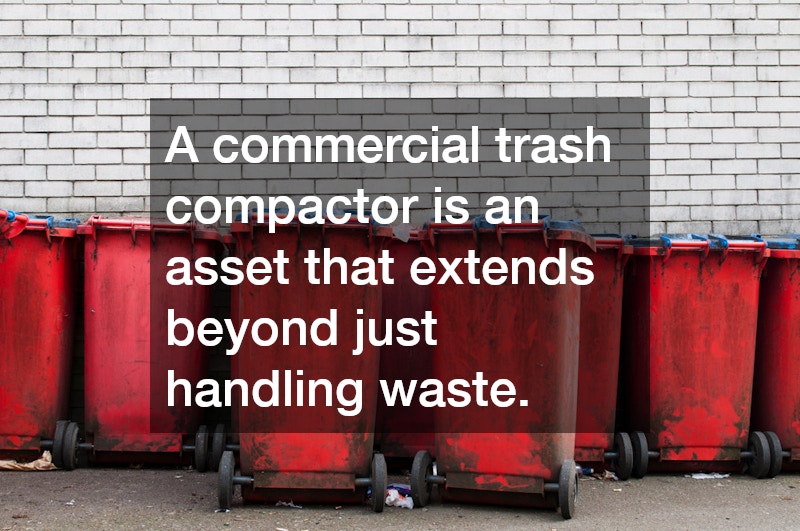

For many businesses, waste is an unavoidable reality that incurs ongoing costs and logistical challenges. Traditional waste disposal methods often result in higher expenses and inefficiencies. A commercial trash compactor, however, can introduce substantial improvements by reducing the volume of waste, thereby cutting down on the frequency of waste pickups and the associated costs. In this piece, we’ll explore how these initial investments translate into long-term savings and enhanced operational efficiencies.
Financial Savings and Investment Recovery
One of the primary benefits of a commercial trash compactor is the tangible financial savings. Businesses typically experience a drastic reduction in waste hauling costs. This reduction is because compacted trash takes up less space, meaning fewer pickups are needed. Reducing the frequency of waste collection can lead to significant savings in both labor and transportation costs. Over time, these savings add up, allowing the commercial trash compactor to essentially pay for itself.
Another financial advantage comes from the minimized need for dumpster space. Rental fees for dumpsters can be a constant expense for business operations, especially for businesses producing a high volume of waste. By using compactors, less dumpster space may be required, reducing or even eliminating these fees. Furthermore, the longevity and efficiency of these machines ensure that their initial investment is gradually recovered through saved operational costs.
Moreover, tax incentives for green initiatives can further enhance the ROI of investing in a commercial trash compactor. Many regions offer tax credits or deductions for businesses that adopt environmentally friendly practices. These tax benefits can significantly offset the initial purchase and installation costs. Consequently, the adoption of a compactor not only leads to direct operational savings but also contributes to fiscal health through governmental schemes.
Operational Efficiencies
Beyond the immediate financial savings, commercial trash compactors also refine operational efficiencies. When waste is effectively managed, businesses can focus resources and manpower on core operations. Efficient waste management means that fewer staff hours are spent on dealing with waste-related tasks, such as transporting trash for frequent disposal. This reallocation of labor can significantly enhance productivity across the board.
The reduction of waste volume can also help create a safer, more organized work environment. Overfilled dumpsters or enthusiastically piled trash can pose safety hazards, especially in high-traffic areas like loading docks or kitchens. By keeping waste under control, compactors minimize potential workplace accidents and diminish the need for extensive staff involvement in managing waste.
Furthermore, the introduction of a systematic waste management system, such as that offered by the use of compactors, simplifes organizational logistics. Streamlined operations allow for better planning and management of waste-related processes. With a commercial trash compactor, a business can anticipate waste disposal schedules and requirements, thus reducing the likelihood of unexpected snags reducing overall operational smoothness, which can result in even further savings.
Environmental Impact
Investing in a commercial trash compactor also yields substantial environmental benefits. By reducing waste volume, businesses contribute to lessening the burden on overstretched landfills. Compacted waste takes up less space, allowing more waste to be stored before needing to be transferred to a landfill. This helps reduce the environmental footprint of waste transportation and disposal.
Furthermore, businesses that utilize trash compactors often find themselves aligned with broader trends towards sustainability and responsible corporate citizenship. Reducing the frequency of waste collections means fewer garbage trucks on the road, contributing to decreased emissions. As environmental considerations become increasingly important to consumers, adopting measures like using a commercial trash compactor can enhance a company’s brand reputation and customer relations.
Finally, the potential recycling benefits of compactors provide another layer of eco-friendly advantages. Many compactors come equipped with sorting capabilities that allow for the separation of recyclable materials from general waste. This not only cuts down on landfill use but can also generate revenues from recyclables, further boosting ROI. By demonstrating a commitment to recycling and waste reduction, businesses can strengthen their eco-friendly credentials and stand out in a crowded market.
All in all, a commercial trash compactor is an asset that extends beyond just handling waste—delivering a multifaceted return on investment that pays for itself in efficiency, savings, and sustainability. By integrating this technology, businesses can realize hidden benefits that contribute not only to their bottom line but also to a healthier planet.