City planners and everyday commuters want the same thing: streets that are safer, cleaner, and easier to navigate. It turns out those goals are deeply connected. As cities find ways to reduce collisions, they often end up redesigning roads in ways that also cut emissions, encourage walking and biking, and make neighborhoods more livable. Understanding this link can help residents make smarter choices about where to live, how to commute, and what to support at city council meetings. This article breaks down how fewer crashes on the road translate into greener, more thoughtful urban design.
Measuring the True Cost of Traffic Collisions
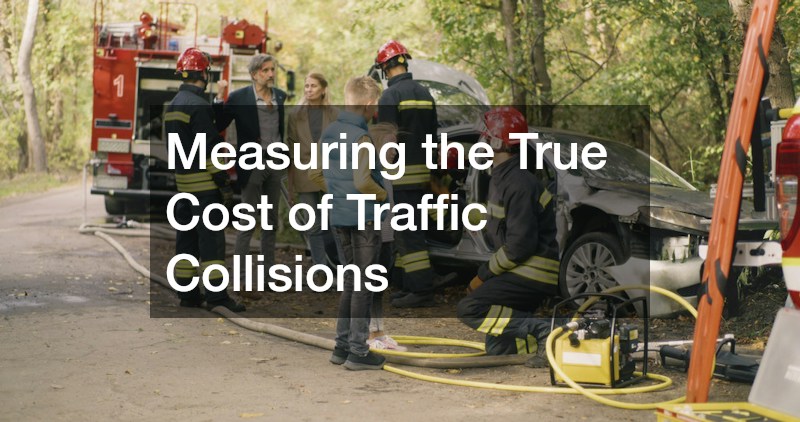
Every collision carries a cost that goes far beyond the vehicles involved. Cities spend significant public resources on emergency response, road repairs, and traffic management after a crash, and those costs add up quickly across thousands of incidents each year. Insurance premiums rise for entire communities when accident rates climb, and local businesses can lose revenue when streets are shut down for cleanup or investigation. When planners start treating collision data as a public health metric rather than just a traffic statistic, it becomes easier to justify investment in safer infrastructure.
Beyond the financial toll, there is a human one. Families dealing with injuries often spend months managing medical appointments, insurance claims, and lost wages, which ripples into local economies. Many of these families eventually consult personal injury lawyers to understand their rights and recover costs tied to medical care and missed work. That legal process, while necessary, is also a signal to planners that the surrounding infrastructure may need a second look.
Linking Road Design to Emission Reduction
Roads built primarily for speed tend to encourage aggressive driving, longer idle times at intersections, and more stop-and-go traffic, all of which increase fuel consumption and emissions. A car accelerating from a dead stop can burn significantly more fuel than one maintaining a steady speed, and traffic signals timed poorly for traffic volume only multiply those stop-and-go cycles across thousands of daily commutes.
When cities redesign intersections to reduce collision risk, they often slow down traffic in ways that also smooth out flow, cutting down on the acceleration and braking cycles that waste fuel. Lower, more consistent speeds reduce the severity of crashes when they do happen, but they also mean fewer hard braking events and less idling, which translates directly into lower emissions per mile traveled. Roundabouts are a good example: studies of U.S. intersections converted from traffic signals to roundabouts have shown reductions in fuel consumption and vehicle emissions, alongside sharp drops in injury-causing crashes. Because vehicles yield and merge rather than stop completely, roundabouts keep traffic moving instead of idling at a red light, which cuts down on wasted fuel during low-traffic hours when signals would otherwise force unnecessary stops.
Other design choices carry similar dual benefits. Protected bike lanes and narrower travel lanes can calm traffic enough to lower crash rates while also making streets more inviting for low-emission transportation options like cycling and walking, further reducing the number of short car trips that contribute disproportionately to urban emissions.
Traffic calming measures like narrower lanes, speed humps, and protected turn lanes serve a dual purpose. They lower the likelihood of high-speed crashes while also making it more pleasant to walk or bike nearby, which in turn reduces car dependency. Studies of road diets—where four-lane roads are reconfigured to two lanes plus a center turn lane and bike paths—have shown crash reductions of 19 to 47 percent, depending on the setting. These same redesigns tend to shift short trips away from cars. When a neighborhood feels safe enough to walk or bike a mile to the store, fewer households default to driving for errands under two miles, which happen to be the trips that burn fuel least efficiently due to cold engine starts and stop-and-go idling.
Fewer cars on the road for short trips means less fuel burned and fewer particulates released into neighborhood air. City planners are increasingly pairing these physical changes with lower speed limits, since vehicles traveling at gentler, more consistent speeds also produce less tire and brake wear, a growing source of particulate pollution even from electric vehicles. The cost side matters too. Traffic calming infrastructure is comparatively cheap next to highway expansion, and the resulting drop in collision-related emergency response, towing, and property damage frees up municipal budgets that can be redirected toward transit or green infrastructure projects.
Redesigning Intersections for Pedestrian and Cyclist Safety
Intersections are where most urban collisions happen, which makes them a natural starting point for safer and greener redesigns. Protected bike lanes, raised crosswalks, and leading pedestrian intervals all reduce the chance of a car accident involving someone outside a vehicle. These same features tend to make walking and cycling more appealing, which shifts short trips away from cars entirely.
- Raised crosswalks slow turning vehicles and improve visibility for pedestrians
- Leading pedestrian intervals give walkers a head start before vehicles get a green light
- Protected bike lanes physically separate cyclists from moving traffic
- Curb extensions shorten crossing distances and calm turning speeds
- Clear sightline rules prevent parked cars from blocking pedestrian visibility
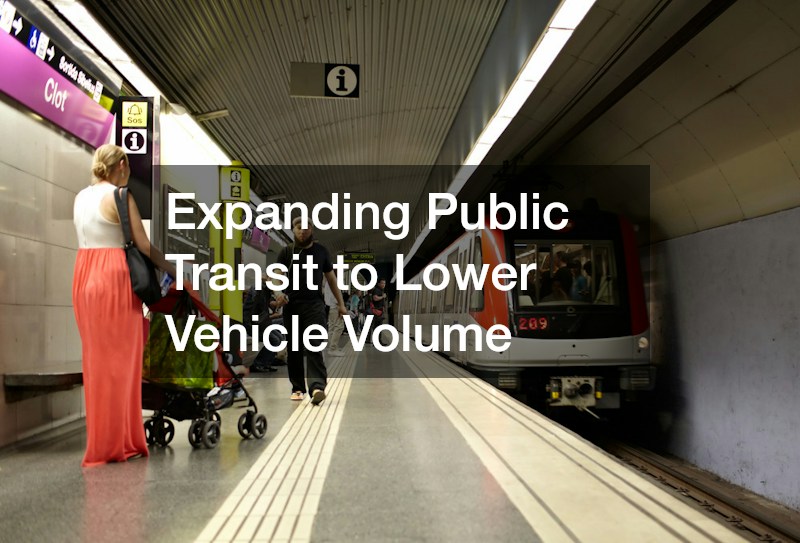
Expanding Public Transit to Lower Vehicle Volume
One of the most direct ways to reduce collisions is to simply have fewer cars on the road, and reliable public transit is the most effective tool for achieving that. Cities that invest in frequent bus service, light rail, or dedicated transit lanes often see a measurable drop in both congestion and crash rates. Fewer vehicles competing for the same lanes means less opportunity for the sudden lane changes and rear-end collisions that clog urban corridors.
Transit investment also supports environmental goals in a way that pairs naturally with safety improvements. Electric buses and light rail systems produce far fewer emissions per passenger than individual car trips, especially during peak commuting hours. When transit is fast, affordable, and well-connected, residents have a genuine incentive to leave their cars at home for routine errands and commutes.
Creating Green Infrastructure Along Safer Streets
Safer street redesigns often open up physical space that can be repurposed for environmental benefit. When a four-lane road is narrowed to improve safety, the reclaimed space frequently becomes a planted median, a rain garden, or a row of street trees. These green features do more than look appealing; they absorb stormwater runoff, reduce urban heat, and improve local air quality.
- Street trees lower surface temperatures and reduce urban heat island effects
- Rain gardens and bioswales manage stormwater that would otherwise overwhelm drains
- Planted medians act as physical buffers that also slow vehicle speeds
- Permeable pavement reduces flooding risk near redesigned intersections
- Green buffers between sidewalks and roads improve air quality for pedestrians
Using Data and Legal Records to Guide Future Projects
City planners increasingly rely on crash data, insurance claims, and legal filings to identify dangerous corridors before more serious incidents occur. Patterns that show up repeatedly at the same intersection or stretch of road often prompt a formal safety review. In many cases, the professionals who first notice these patterns are not planners but legal teams working directly with injured clients.
Car accident lawyers frequently see firsthand which roads generate repeated claims tied to poor visibility, confusing signage, or inadequate signal timing. When this information is shared with city transportation departments, it can accelerate the timeline for redesigns that might otherwise take years to approve. This kind of collaboration between legal records and civic planning is becoming a quiet but important part of how safer, greener streets get built.
Supporting Residents After a Collision Occurs
Even with better planning, collisions will still happen during the transition toward safer streets, and residents need to know what steps to take afterward. Documenting the scene, seeking medical attention promptly, and reporting the incident to local authorities all help protect both health and legal standing. Many people are unsure whether their situation requires professional legal guidance, especially when injuries seem minor at first.
Consulting an accident lawyer early can clarify what compensation might be available and how local infrastructure issues, like a poorly timed signal, may have contributed to the incident. This step is not just about financial recovery; it also feeds into the broader data that cities use to evaluate which roads need attention. Residents who report these details thoroughly end up contributing, often without realizing it, to the next round of safety and sustainability improvements.
Safer streets and greener cities are not separate goals pursued by different departments; they are two outcomes of the same thoughtful design choices. As more cities recognize this connection, residents can expect to see fewer dangerous intersections, more green space, and better transit options over time. If you want to be part of that shift, start by paying attention to local planning meetings, reporting unsafe road conditions, and supporting projects that prioritize both safety and sustainability. Small, informed actions from residents add up to the kind of data and advocacy that drives real change.