
If you are running a growing business that ships products, stores inventory, or manages a fleet of vehicles, you already know that growth brings new headaches. What worked when you had one truck and a small storage room quickly falls apart once order volume triples. The challenge is not just doing more, it is doing more without letting quality, safety, or customer satisfaction slip through the cracks. This guide walks through the practical decisions that help you scale your logistics operations thoughtfully, so growth strengthens your business instead of straining it.
Planning for Temperature Sensitive Shipments
As your product line expands, you may find yourself shipping items that were never part of your original business, like perishable food, flowers, pharmaceuticals, or specialty goods that require consistent temperatures. This is where reefer transportations become essential, since standard trailers simply cannot protect goods that spoil or degrade outside a specific temperature range. A refrigerated trailer can typically hold anywhere from -20°F to 70°F depending on the unit, allowing you to ship frozen seafood and fresh-cut flowers using the same fleet with the right calibration.
Before adding temperature-sensitive products to your catalog, map out the entire cold chain, not just the trailer ride. Loading dock delays, warehouse storage times, and last-mile delivery windows can all introduce temperature swings if they aren’t accounted for in your planning. Many shippers now use real-time temperature monitoring and GPS-enabled sensors so they can catch a malfunctioning unit before an entire pallet is lost.
Planning ahead for this need before you actually have a spoiled shipment on your hands saves money and protects your reputation with customers. It’s also worth building relationships with carriers who specialize in reefer freight, since they’ll understand compliance requirements like FSMA’s Sanitary Transportation rule or pharmaceutical cold-chain standards. A single claim for spoiled goods can cost thousands of dollars, but a documented, well-planned temperature control process turns a potential liability into a competitive advantage.
Many growing businesses make the mistake of assuming temperature control is a niche concern, only to discover their new product line requires it unexpectedly. A shift into perishables, pharmaceuticals, or cosmetics can suddenly demand refrigerated trucking, cold storage, and continuous monitoring you never budgeted for.
Researching providers and understanding pricing structures early gives you leverage to negotiate better rates once volume increases. Ask potential carriers about their temperature range capabilities, backup power systems for refrigeration units, and how they handle equipment failures mid-route.
It also helps to understand the cost differences between dry van, refrigerated (reefer), and specialized packaging solutions like gel packs or dry ice, since each option affects both price and shelf life. Request data on their on-time delivery rates for temperature-sensitive freight specifically, not just their general fleet performance.
Finally, factor in compliance requirements such as FDA or USDA guidelines if you’re shipping food or pharmaceuticals, since providers experienced in these regulations can save you costly audits later.
- Ask about real-time temperature monitoring and alerts during transit, including how often data logs are recorded (every few minutes vs. hourly)
- Confirm backup refrigeration systems in case of mechanical failure, and ask about average response times if a unit fails mid-route
- Understand how humidity control differs from simple temperature control, especially for pharmaceuticals or fresh produce with narrow tolerance ranges
- Check whether carriers offer multi-zone trailers, since some shipments require different temperature settings for separate product types in one load
- Compare rates for one-time shipments versus recurring contracts, factoring in fuel surcharges and seasonal demand spikes
- Verify chain-of-custody documentation practices, particularly for regulated goods requiring proof of continuous temperature control
Keeping Loads Secure as Shipment Volume Grows
When you were shipping small quantities, a few straps and common sense may have been enough. As volume grows, proper cargo control becomes a safety issue, not just a convenience issue, because shifting loads can damage products, injure workers, and even cause accidents on the road. A single unsecured pallet shifting mid-transit can total a shipment, trigger a costly claim, or worse, lead to a jackknifed trailer.
Investing in the right tie downs, load bars, and securing equipment protects both your inventory and the people handling it. Match your equipment to the freight: ratchet straps and E-track systems for palletized goods, load bars for partial loads that need to stay put without touching the walls, and edge protectors to prevent chafing on stretch wrap or banding.
As shipment volume scales, so should your cargo control standards. Build a simple checklist for loaders to follow, rate straps and anchor points for the weight classes you actually ship, and replace worn equipment on a set schedule rather than waiting for visible failure.
It is worth reviewing your load securing practices every few months as your product mix changes, since fragile electronics require different handling than stackable dry goods. A pallet of glassware, for instance, needs corner boards and air bags to prevent shifting, while palletized canned goods can often rely on straps and load bars alone. What worked for last year’s SKU mix may not hold up once you add heavier machinery parts or oddly shaped freight to the lineup.
A quick audit of your current equipment often reveals gaps before they turn into costly claims. Check strap tension ratings against your heaviest shipments, inspect dunnage and edge protectors for wear, and confirm that load bars are rated for the widths you’re now running. Many carriers find that a $200 investment in updated tie-down equipment prevents a single damaged-freight claim that could run into the thousands.
It also helps to document these checks with photos and timestamps, especially as volume increases and more drivers or crews are loading trailers. Standardized checklists reduce the guesswork for new hires and create a paper trail if a damage dispute arises with a customer or insurer.
- Use load bars and straps rated for the actual weight being transported, checking working load limit (WLL) tags rather than assuming general-purpose gear will do — a strap rated for 1,000 lbs has no business securing a 3,000 lb pallet
- Train staff on proper securing techniques, not just equipment use, including load distribution, friction mats, and blocking/bracing methods for irregular shapes
- Reinforce training with periodic refreshers or certifications, since techniques that worked for smaller loads can fail as shipment sizes and weights increase
- Inspect straps, chains, and anchors regularly for wear, fraying, or corrosion, and set a fixed schedule (e.g., before every haul, plus a deeper monthly check)
- Retire and replace any equipment showing cuts, UV damage, or stretched webbing rather than pushing it for “one more run”
- Match securing methods to the fragility of the specific product, using softer tie-down points and extra padding for glass, electronics, or stacked goods versus heavy-duty chains for machinery and steel
Keeping Equipment Running Reliably
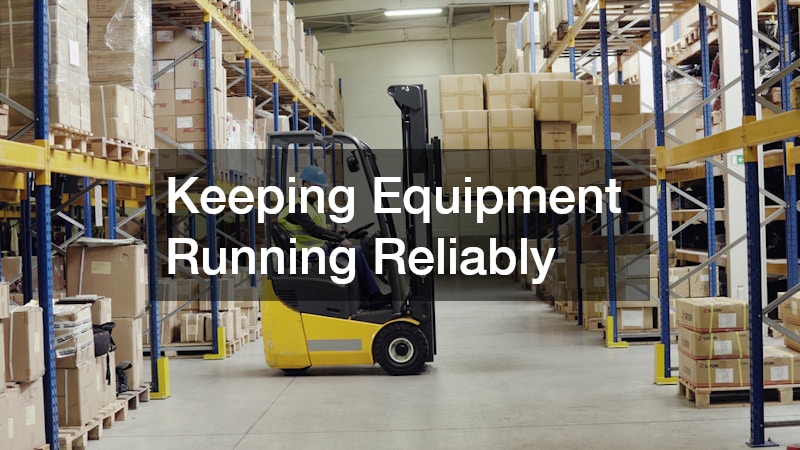
Growth puts more wear on everything from forklifts to conveyor systems, and unexpected breakdowns can bring an entire operation to a halt. Scheduling regular industrial maintenance on your equipment is one of the simplest ways to avoid costly downtime that ripples through your entire supply chain. Reactive repairs almost always cost more than preventive care, both in dollars and in lost time.
A written maintenance schedule, even a simple one, helps ensure nothing gets overlooked as your team grows and responsibilities shift between people. Many businesses find that a small upfront investment in preventive checks pays for itself within the first year by avoiding emergency repair costs.
- Create a maintenance calendar for all critical equipment
- Track repair history to spot patterns before they become failures
- Train more than one employee on basic equipment checks
- Budget for parts replacement before components fully fail
Rethinking Packaging as Order Volume Increases

Generic packaging might work fine at low volumes, but as orders scale, the wrong packaging can lead to more damage claims, wasted materials, and unhappy customers. Switching to a custom box designed for your specific products often reduces shipping damage significantly while also improving the unboxing experience for customers. This becomes especially important if your products vary in size and shape.
Beyond protection, tailored packaging can reduce wasted space in trucks and warehouses, which lowers shipping costs as your order count climbs. Taking time to test packaging under real shipping conditions before committing to large orders prevents expensive mistakes.
- Test packaging with drop tests before finalizing a design
- Choose materials based on product fragility and weight
- Consider how packaging size affects shipping costs at scale
- Review packaging performance regularly as return rates come in
Handling Seasonal Spikes Without Overcommitting
Almost every growing business faces busy seasons that do not match the rest of the year, whether that is holiday shopping, harvest season, or a summer rush. Rather than purchasing more vehicles than you need year round, many businesses turn to dry van trailer rental options to handle short term spikes in shipping volume. This approach lets you scale transportation capacity up and down without a long term financial commitment.
Renting also gives you flexibility to test new routes or markets before deciding whether a permanent vehicle purchase makes sense. It is worth comparing rental terms from a few providers, since availability and pricing can shift significantly during peak seasons.
- Book rentals early during known peak seasons to guarantee availability
- Compare short term rental costs against long term vehicle ownership
- Check maintenance responsibilities included in the rental agreement
- Confirm insurance coverage details before signing any rental contract
Protecting the Buildings That House Your Operations
As your operation grows, so does the value of what sits inside your buildings, which makes structural upkeep more important than ever. Scheduling regular visits from commercial roof inspectors helps catch small leaks or wear before they turn into water damage that ruins inventory or shuts down operations entirely. A roof failure during a storm can be far more disruptive to a growing business than to a smaller one, simply because there is more at stake.
Many property owners wait until there is visible damage to call for an inspection, but catching problems early is almost always cheaper and less disruptive. Building this into your annual maintenance routine protects both your physical assets and your ability to keep operations running smoothly.
- Schedule inspections before and after severe weather seasons
- Ask for written reports documenting current roof condition
- Address minor repairs quickly to prevent larger structural issues
- Keep records of past inspections for insurance purposes
Making a Good Impression With Every Delivery
As your fleet grows, the appearance of your vehicles becomes part of your brand whether you intend it that way or not. Customers and business partners often form opinions based on how clean and well maintained a delivery vehicle looks pulling into their driveway or loading dock. A reliable fleet washing service keeps vehicles looking professional without pulling your staff away from their actual jobs to handle cleaning.
Beyond appearances, regular washing also helps protect vehicles from corrosion caused by road salt, dirt buildup, and grime that can wear down paint and components over time. This small investment often extends the usable life of your vehicles while keeping your brand image consistent.
- Schedule washing on a consistent basis rather than only when visibly dirty
- Pay attention to undercarriage cleaning to prevent rust buildup
- Choose services that use eco friendly cleaning products where possible
- Track cleaning schedules alongside regular maintenance records
Deciding Where to Store Growing Inventory
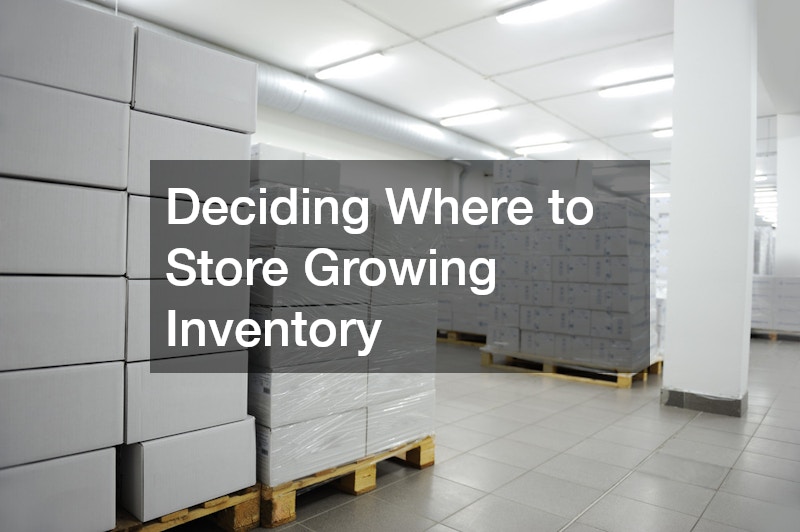
One of the biggest decisions during a growth phase is figuring out where to actually keep your inventory as quantities increase. Partnering with a local warehouse can be a smart middle ground between renting your own large facility and trying to squeeze everything into a space that no longer fits your needs. This option often gives you flexibility to scale storage space up or down as demand shifts throughout the year.
Location matters just as much as size when choosing storage, since proximity to major roads or your customer base can significantly affect delivery times and shipping costs. Touring a few options and asking about security, climate control, and access hours helps you make a decision that supports rather than complicates your operations.
- Compare pricing structures, some charge by pallet, others by square footage
- Ask about access hours and whether staffing is available on site
- Check security measures including cameras and entry logs
- Consider proximity to major highways or shipping routes
Securing Access Points as Your Footprint Expands
New locations and larger facilities mean more doors, more keys, and more potential points of vulnerability if access is not managed carefully. Bringing in a commercial locksmith when you open a new facility or expand an existing one ensures that locks, access systems, and security hardware are properly installed and matched to your actual security needs. This is particularly important if you are managing multiple locations with different staff needing different levels of access.
Rekeying locks after staff turnover, upgrading to keyless entry systems, and auditing who has access to which areas are all worth revisiting as your team grows. A small upfront investment in proper access control prevents much larger losses down the road from theft or unauthorized entry.
- Rekey or update locks whenever key personnel changes occur
- Consider keyless or card access systems for larger facilities
- Audit access permissions regularly as staff roles change
- Keep spare keys and access codes secured in a controlled location
Keeping Facilities Clean as Staff and Traffic Increase
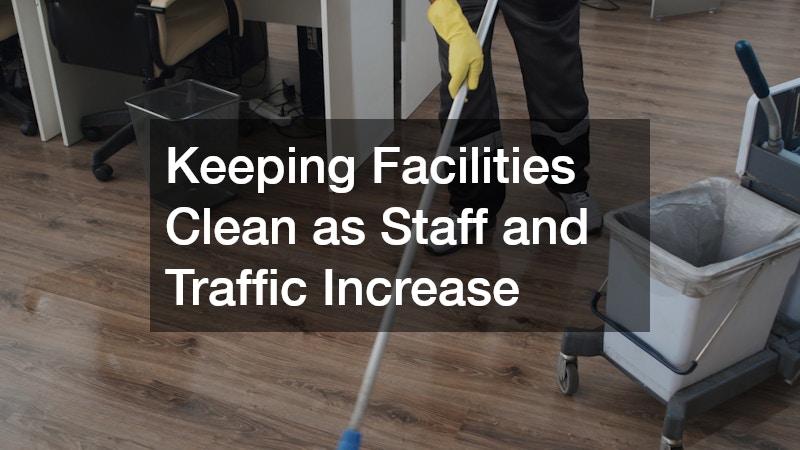
More employees, more deliveries, and more foot traffic through your facilities naturally means more wear and mess to manage on a daily basis. Hiring professional commercial cleaners becomes far more practical than relying on staff to handle cleaning between their actual job duties, especially once your operation reaches a certain size. Clean facilities also reduce safety hazards like slippery floors or cluttered walkways that can lead to workplace injuries.
A clean, well organized workspace also tends to improve employee morale and can leave a better impression on visiting clients or partners touring your facility. Setting a regular cleaning schedule rather than waiting until things look obviously dirty helps maintain consistent standards as your team grows.
- Set a regular cleaning schedule based on foot traffic volume
- Include high touch areas like door handles and break rooms
- Communicate specific problem areas to your cleaning provider
- Review cleaning quality periodically as facility size changes
Scaling a logistics operation is rarely about doing one thing perfectly, it is about steadily improving several moving parts at the same time without losing sight of quality. From securing loads properly to choosing the right storage and keeping vehicles presentable, each decision builds on the others to create a more resilient operation. Take time to evaluate where your current setup is falling short, then address those gaps one at a time rather than trying to fix everything at once. A thoughtful, informed approach today sets the foundation for smoother growth down the road.