
Every time you flip on a light switch or turn a faucet, you are trusting a vast network of hidden infrastructure that most of us never think about until it fails. Aging pipes, cracked roads, and overworked electrical grids quietly sabotage even the most ambitious clean energy and sustainability goals, because efficiency at the point of use means little if the delivery systems underneath are leaking, corroding, or crumbling. Homeowners, city planners, and everyday consumers all have a stake in understanding where these weak links live. This article breaks down the specific systems worth watching, and what proactive maintenance looks like in practice.
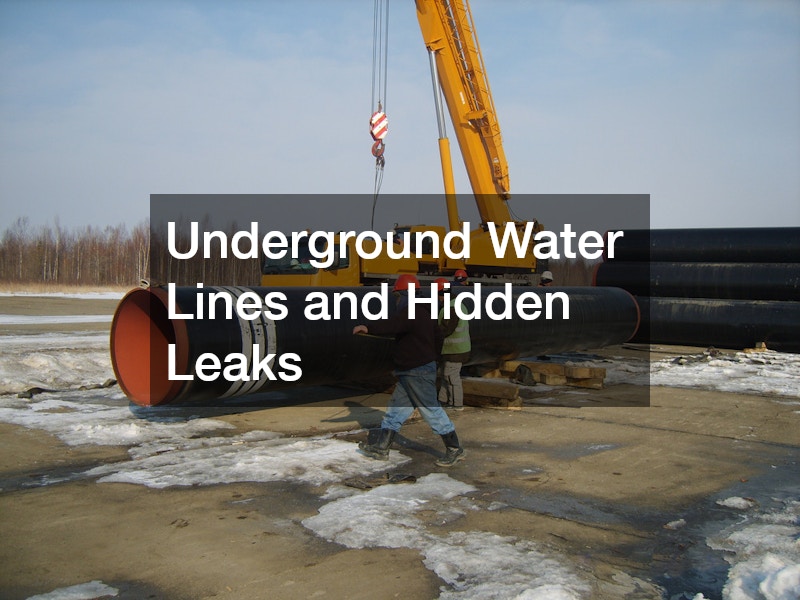
Underground Water Lines and Hidden Leaks
Municipal water systems lose billions of gallons every year to leaks that never make headlines, and the energy used to treat and pump that wasted water adds up quietly in the background. A single undetected leak under a street can waste more water in a month than a household uses in a year, and the pumps working overtime to compensate burn through electricity that could otherwise be reduced. Aging cast iron and galvanized pipes are especially prone to corrosion, which narrows the interior diameter and forces pumps to work harder just to maintain pressure.
On the residential side, similar problems show up on a smaller scale but with the same wasted-energy logic. Homeowners who notice soggy patches in the yard, unexplained spikes in their water bill, or low pressure indoors are often looking at the early signs of a failing line that needs professional attention before it worsens.
- Discolored water or a metallic taste often signals internal pipe corrosion
- Sudden drops in water pressure can indicate a hidden underground leak
- Older homes built before the 1980s are more likely to have outdated piping materials
- Routine leak detection surveys help utilities catch problems before major line breaks
Septic Systems and Groundwater Protection
Septic systems that fall into disrepair do more than create an unpleasant smell in the backyard; they can contaminate groundwater and undo years of local watershed protection efforts. A failing tank or drain field allows untreated waste to seep into soil and eventually reach aquifers, which forces water utilities to spend more energy and chemicals treating water that should have stayed clean in the first place. Regular septic repair extends the life of the system and prevents the kind of catastrophic failure that requires full replacement.
Homeowners on septic systems often assume that because the system is out of sight, it needs little attention, but the opposite is true. Tanks typically need pumping every three to five years, and warning signs like slow drains, gurgling pipes, or unusually green patches of grass over the drain field should never be ignored.
- Schedule septic inspections every one to three years depending on household size
- Avoid flushing grease, wipes, or chemicals that disrupt bacterial breakdown
- Watch for pooling water or odors near the drain field
- Address minor issues quickly to avoid costly full system replacement
Sewer Lines and Root Intrusion
Tree roots are one of the most common causes of sewer line blockages, and as urban tree canopies mature, the problem is only becoming more frequent. Roots seek out moisture and can infiltrate even small cracks in aging clay or concrete pipes, eventually causing full blockages or collapses that require emergency intervention. When a line becomes partially blocked, wastewater treatment plants end up processing water inefficiently, since backups and overflows often mean untreated waste bypasses the system entirely during storms.
Modern sewer cabling techniques allow technicians to clear these blockages without the disruptive digging that used to be standard practice. This method uses a flexible cable with a cutting head to remove roots and debris from inside the pipe, restoring flow without tearing up a yard or driveway, which keeps both repair costs and environmental disturbance to a minimum.
- Recurring backups in the same drain often signal root intrusion further down the line
- Older homes with clay sewer pipes are especially vulnerable to root damage
- Regular camera inspections can catch small cracks before they become major blockages
- Trenchless repair methods reduce landscaping damage compared to full excavation
Water Heaters and Household Energy Waste
A water heater nearing the end of its lifespan does not usually fail all at once; it slowly loses efficiency, working harder to heat the same amount of water while quietly driving up utility bills. Sediment buildup at the bottom of the tank insulates the heating element from the water it is supposed to warm, forcing the unit to burn more energy for the same result. This inefficiency compounds over years, meaning an old unit can waste a surprising amount of electricity or gas long before it breaks down entirely.
When a unit starts showing signs of decline, calling a technician for local water heater repair is often far cheaper than waiting for full failure. A qualified technician can flush sediment, replace a failing anode rod, or recalibrate the thermostat, extending the unit’s life by years rather than replacing it prematurely.
- Rumbling or popping noises usually indicate sediment buildup
- Inconsistent water temperature is an early warning sign of heater strain
- Flushing the tank annually can significantly extend its lifespan
- Units older than ten to twelve years are prime candidates for replacement planning
HVAC Systems and Grid Strain
Heating and cooling accounts for a huge share of residential and commercial energy use, and outdated systems are among the biggest hidden drains on the electrical grid during peak demand periods. When thousands of aging air conditioners strain to keep up on a hot afternoon, utilities sometimes have to rely on backup power plants that are far less efficient and far dirtier than the baseline grid mix. This ripple effect means an inefficient HVAC system in one home contributes, in a small but real way, to broader emissions problems.
Working with reputable HVAC companies for regular tune-ups can catch small inefficiencies, like a dirty coil or a refrigerant leak, before they turn into major energy drains. Many companies now also offer smart thermostat integration and load calculations that help homeowners right-size their systems instead of over-relying on oversized, energy-hungry units.
- Annual maintenance visits keep systems running at peak efficiency
- Dirty filters can reduce airflow and increase energy consumption by a significant margin
- Refrigerant leaks both waste energy and release harmful greenhouse gases
- Properly sized systems perform better than oversized units that cycle inefficiently
Roads and Pavement Deterioration
Cracked and potholed roads might seem like a purely cosmetic or safety issue, but they carry a real environmental cost that often gets overlooked. Vehicles traveling over rough pavement burn more fuel due to increased rolling resistance, and the constant stop-and-go required to dodge potholes adds emissions that a smooth road surface would avoid. Poorly maintained roads also lead to more frequent vehicle repairs, which itself carries an environmental footprint tied to manufacturing replacement parts.
Resurfacing with modern asphalt formulations, some of which now incorporate recycled materials like reclaimed shingles or rubber from old tires, offers a more sustainable path forward. These newer mixes can also be engineered for better drainage, which reduces the standing water that accelerates pavement breakdown and contributes to local flooding.
- Rough roads increase vehicle fuel consumption by up to twenty percent in some studies
- Recycled asphalt mixes reduce the demand for virgin raw materials
- Permeable asphalt options help manage stormwater runoff more effectively
- Regular resurfacing schedules extend road life and reduce long-term repair costs
Municipal Funding and Infrastructure Priorities
Much of the funding for these unglamorous but essential upgrades comes through government contracts awarded to firms specializing in utility replacement, road resurfacing, and water system modernization. These contracts often prioritize the most visible or urgent problems, which means quieter, slow-building issues like minor pipe corrosion can go unaddressed for years until they become emergencies. Understanding how these funding cycles work helps residents advocate more effectively for infrastructure improvements in their own neighborhoods.
Public infrastructure budgets are finite, and green initiatives at the city level often compete directly with basic maintenance needs for the same pool of money. Residents who show up to town meetings or contact local representatives about specific problem areas can influence which projects get prioritized in the next budget cycle.
- Many federal and state programs now tie funding to measurable efficiency improvements
- Competitive bidding processes can delay urgent repairs by months
- Public infrastructure reports are often available for residents to review
- Community advocacy has historically shifted funding toward overdue projects
Field Crews and the People Behind the Repairs
Behind every fixed water main or repaved street is a team of technicians, engineers, and laborers who often work in difficult and sometimes hazardous conditions. Effective field services coordination determines how quickly a small leak or crack gets addressed before it grows into a larger, more expensive problem. Crews rely on accurate mapping, real-time data, and well-maintained equipment to do their jobs efficiently, and gaps in any of these areas slow down critical repairs.
Interestingly, some of the tools used in this line of work overlap with recreational gear in surprising ways. Crews working night shifts on remote water lines or rural roads sometimes rely on night hunting headlamps for the same reason hunters do, because they provide hands-free, high-intensity lighting in low-visibility conditions where safety and accuracy both matter.
- Real-time GPS mapping helps crews locate aging infrastructure faster
- Well-maintained equipment reduces repair delays and safety incidents
- Cross-trained technicians can handle multiple types of utility repairs
- Proper lighting and visibility gear is essential for after-hours emergency work
Specialized Vehicles and Equipment Reliability
The heavy trucks, pumps, and generators used to maintain water, sewer, and road systems depend on diesel engines that themselves require consistent upkeep. When these engines fail unexpectedly, entire repair schedules can grind to a halt, delaying fixes to the very infrastructure meant to support sustainability goals. Timely diesel repairs keep this specialized fleet operational, which in turn keeps emergency response times low and prevents small infrastructure problems from festering into larger environmental hazards.
Fleet reliability is not just about avoiding delays; it also affects fuel efficiency and emissions output directly. A poorly maintained diesel engine burns more fuel and emits more particulate matter than one running at peak condition, which means equipment upkeep is itself a small but meaningful piece of the larger environmental puzzle.
- Scheduled engine maintenance reduces unexpected breakdowns during critical repairs
- Well-tuned diesel engines produce fewer particulate emissions
- Fleet downtime directly delays infrastructure repair timelines
- Preventive care extends the operational life of heavy equipment
Marine and Coastal Infrastructure Challenges
Coastal communities face a unique version of this same infrastructure story, where saltwater exposure accelerates corrosion in pipes, docks, and mechanical systems at a much faster rate than inland areas experience. Boats and marine facilities rely on climate control systems that battle constant humidity and salt air, and when these systems fail, the energy cost of running backup or replacement units spikes quickly. A reliable marine AC repair company becomes an essential resource in these regions, since delayed repairs on marine cooling systems often lead to far greater energy waste than a prompt fix would have caused.
These coastal maintenance challenges mirror the broader pattern seen throughout this article: small, unglamorous mechanical issues, when ignored, compound into larger inefficiencies that ripple outward. Addressing them early is almost always cheaper, both financially and environmentally, than waiting for a full system failure.
- Saltwater environments accelerate wear on mechanical and electrical systems
- Marine HVAC units often work harder than land-based systems due to humidity
- Regular inspections catch corrosion before it causes major failures
- Prompt repairs reduce long-term energy waste in coastal properties
Green ambitions rarely fail because of a single dramatic event; they erode quietly through years of deferred maintenance on the systems most people never see. Whether it is a leaking water main, a struggling septic tank, or an aging road surface, these small inefficiencies add up to a significant environmental cost. The good news is that awareness leads directly to action, and scheduling routine inspections or repairs is one of the most practical steps any homeowner or community member can take. Start by identifying the systems in your own home or neighborhood most likely to be overdue for attention, and treat that maintenance as part of your broader sustainability efforts, not separate from them.