An empty storefront or weed-choked lot sitting at the edge of your neighborhood might look like a problem, but it could actually be the opportunity you have been waiting for. Vacant commercial sites often come with lower price tags, flexible zoning potential, and locations that established businesses overlook. If you are researching how to turn an abandoned building or overgrown parcel into something productive, understanding the practical steps involved will help you make a confident, informed decision. This article walks through what to evaluate, what to expect, and how to move from an empty property to a working asset.
Evaluating the Condition of an Abandoned Building
Before you fall in love with a cheap price tag, take a hard look at the physical condition of the structure itself. Many vacant commercial buildings have been neglected for years, which means roofing, plumbing, electrical systems, and foundations may need significant repair or complete replacement. A professional inspection can reveal whether the building is salvageable or whether the land underneath it is actually the more valuable asset.
Water damage, mold, pest infestations, and structural shifting are common in properties that have sat empty through multiple seasons. These issues are not always visible during a quick walkthrough, so budgeting for a thorough inspection upfront can save you from costly surprises later.
- Check the roof age and look for signs of leaks or sagging
- Inspect the foundation for cracks or uneven settling
- Test electrical panels and plumbing for outdated or hazardous materials
- Ask about past uses, since industrial history can mean soil or environmental concerns
- Review any code violations on file with the local building department
Understanding Local Zoning and Permitted Uses
Zoning rules determine what you can legally do with a vacant commercial site, and they vary widely from one municipality to the next. A property zoned for retail might not allow residential conversion without a variance, and some commercial zones restrict certain business types outright. Contacting your local planning office early in the process can clarify what is possible before you invest time or money into a specific vision.
It is also worth checking whether the site has any special designations, such as historic status or environmental overlays, that could affect your plans. These designations are not always deal breakers, but they often add extra steps and review time to any renovation or rebuild.
- Request a zoning verification letter from the city or county
- Ask about parking requirements tied to the intended use
- Check for overlay districts that add design or environmental rules
- Confirm whether a variance or conditional use permit is needed
- Research any pending zoning changes in the surrounding area
Deciding Between Renovation and Rebuilding
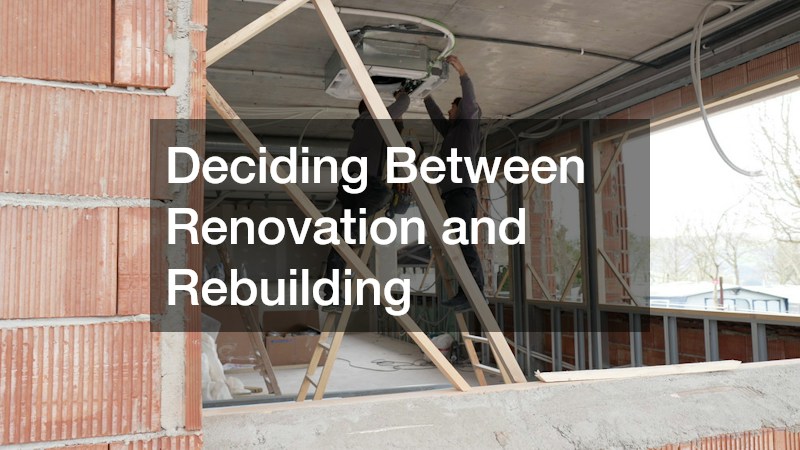
Once you understand the building condition and zoning rules, the next decision is whether to renovate the existing structure or start fresh. Renovation can preserve character and may qualify for certain tax incentives, especially in older commercial districts. However, if the structural damage is extensive, a full rebuild might actually be more cost effective in the long run.
This is often the point where property owners bring in commercial demolition contractors to assess whether clearing the site makes more financial sense than restoring it. A detailed cost comparison between renovation and demolition, including labor, materials, and timeline, gives you a realistic picture of which path fits your budget. Getting multiple estimates before committing to either direction helps avoid underestimating the scope of work.
- Compare renovation quotes against new construction estimates
- Factor in how long each option will take before the site can generate income
- Ask about salvage value for materials like brick, steel, or fixtures
- Consider energy efficiency gains from building new versus retrofitting old systems
Budgeting for Site Cleanup and Preparation
Vacant sites often come with more than just an empty building, including overgrown landscaping, abandoned equipment, or accumulated debris from years of disuse. Clearing a site properly takes more than a weekend cleanup crew, especially if hazardous materials like asbestos or old fuel tanks are present. Building a realistic budget for site preparation prevents cash flow surprises once construction begins.
Permits for debris removal, dumpster rentals, and disposal fees can add up quickly, so getting written quotes from several vendors is a smart first step. Some municipalities also require environmental testing before any ground-disturbing work can begin, particularly on sites with a history of industrial or automotive use.
- Get a written estimate for debris removal and disposal
- Ask whether asbestos or lead testing is required before work starts
- Budget for landscaping and grading if the lot has been neglected
- Check whether underground tanks or utility lines need to be addressed
Financing Options for Repurposing a Property
Buying and transforming a vacant commercial site usually requires a different financing approach than purchasing a move-in ready building. Traditional lenders often view these properties as higher risk because of uncertain renovation costs, environmental unknowns, and longer timelines before the property generates income. That risk perception can mean stricter down payment requirements or outright loan denials, so exploring specialized loan programs or local redevelopment grants can open doors that standard mortgages cannot. SBA 504 and 7(a) loans are worth investigating, since both can be used for property acquisition and substantial renovation costs, often with lower down payments than conventional commercial loans. Bridge loans are another option for investors who need fast access to capital while they secure longer-term financing or finalize permits. Some developers also turn to hard money lenders for short-term funding, accepting higher interest rates in exchange for speed and flexibility during the early redevelopment phase. Many cities also offer tax abatements or incentive programs specifically designed to encourage investment in underused commercial corridors. These can include multi-year property tax freezes, reduced permitting fees, or outright grants tied to job creation and blight removal. Brownfield redevelopment grants, historic preservation tax credits, and opportunity zone incentives can further offset costs for properties that qualify, making it worthwhile to check with local economic development offices before finalizing a financing plan.
Working with a lender who has experience in commercial redevelopment can make the application process smoother, since they understand how to structure financing around phased construction draws. These lenders are also more comfortable with the unique risks of adaptive reuse projects, such as unexpected costs tied to older structures or zoning changes mid-project, and they can often recommend contractors or inspectors who specialize in this type of work. Beyond traditional bank loans, business owners should consider options like SBA 504 loans, which are designed for purchasing and improving owner-occupied commercial real estate, or bridge loans that provide short-term capital while a long-term financing package is finalized. Local and state economic development grants are also worth researching, particularly if the project involves revitalizing a blighted area or creating jobs, since many municipalities offer incentives to encourage reinvestment in vacant commercial sites. It also helps to have a clear business plan that shows how the finished property will generate revenue, since this reassures lenders that the investment will pay off. A strong plan should include realistic timelines, projected occupancy or sales figures, and a breakdown of renovation costs versus expected return, as lenders want to see that the numbers hold up under scrutiny before committing funds.
- Research SBA 504 loans for owner-occupied redevelopment — typically requires occupying 51% of the space and offers fixed rates with as little as 10% down
- Ask local economic development offices about grants, tax abatements, or TIF (tax increment financing) districts tied to vacant property reuse
- Explore bridge loans to cover the gap between purchase and permanent financing, keeping terms short (6-24 months) to limit interest costs
- Look into historic preservation tax credits if the building qualifies, which can offset 20% or more of rehabilitation costs
- Consider seller financing or a lease-to-own arrangement if traditional lenders view the property as high-risk
- Prepare a detailed business plan showing projected income, redevelopment timeline, and exit strategy to strengthen any loan or grant application
Turning a vacant commercial site into a thriving property takes patience, research, and a willingness to look past the surface condition of a building or lot. By carefully evaluating structural condition, zoning rules, renovation costs, site cleanup needs, and financing options, you put yourself in a strong position to make a sound investment. Start by visiting the property with a professional inspector and contacting your local zoning office, since these two steps will shape every decision that follows. With the right groundwork, that empty building down the street could become the growth opportunity you have been searching for.